
Posterior Tibial Tendon Dysfunction
When choosing an insole for Posterior Tibial Tendon Dysfunction, the priority is to support the arch, reduce strain on the posterior tibial tendon, and improve foot stability during walking. The right insole should provide strong medial arch support to help control overpronation, improve alignment of the foot and ankle, and reduce excessive load on the tendon. Stability features are essential to limit collapse through the midfoot, while cushioning can help improve comfort and reduce impact stress. A well-designed insole can help relieve discomfort, improve foot function, and support recovery by promoting better alignment and reducing stress on the supporting structures of the arch.
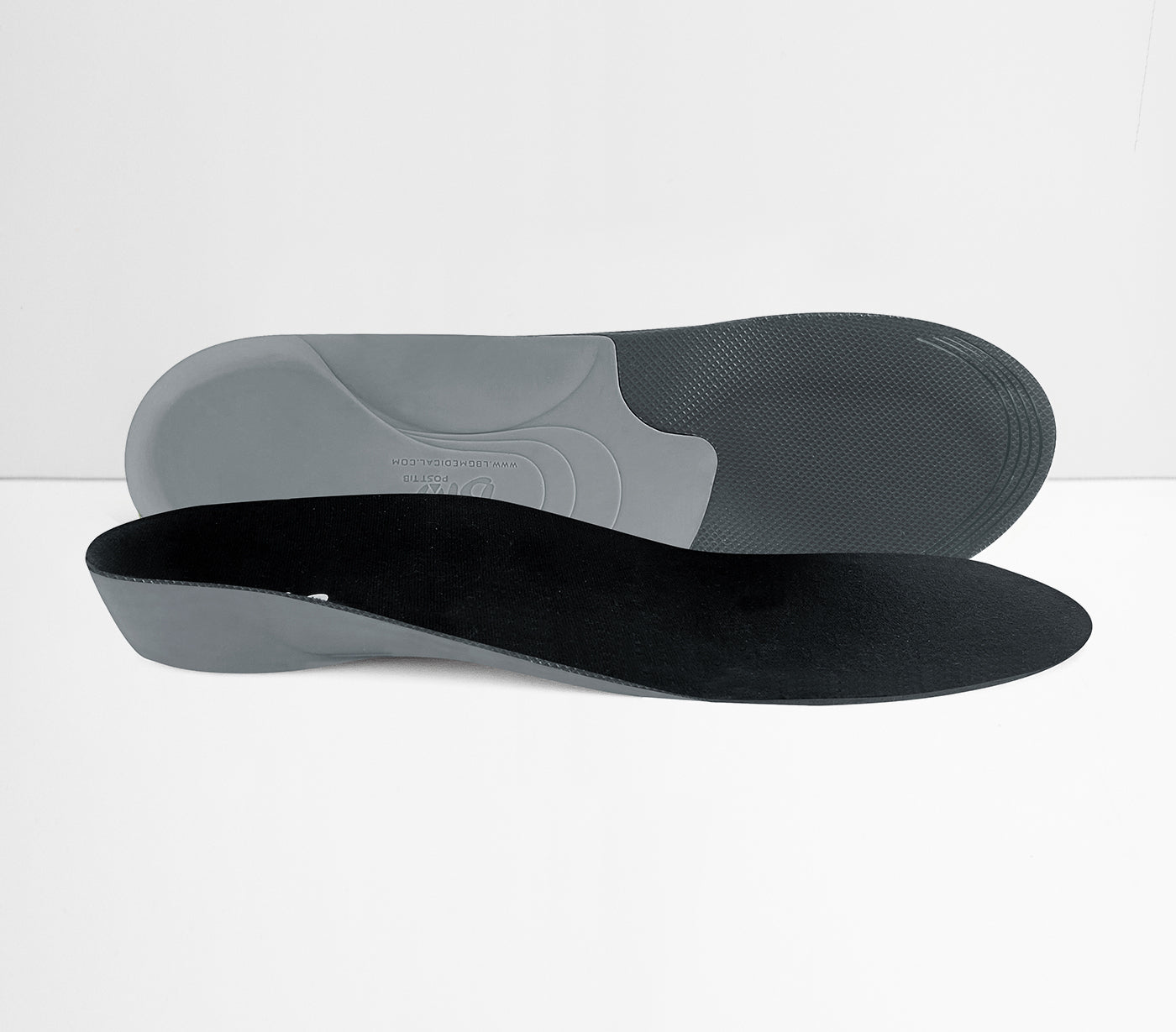
Bio Post Tib
Provides enhanced medial arch support and rearfoot control to reduce strain on the posterior tibial tendon. The deep heel cup and intrinsic valgus support help improve foot alignment, control overpronation and stabilise the foot during gait, while the low-profile design allows it to fit comfortably into a wide range of footwear for everyday clinical use.
SUPPORT LEVEL
⚪POST TIB - 8/10

Bio Fusion
Provides firm biomechanical support and enhanced medial rearfoot control to help reduce strain on the posterior tibial tendon and improve foot stability during walking. Its integrated medial rearfoot post helps control excessive pronation and supports the arch, improving alignment and reducing tendon overload.
OPTIONAL SUPPORT LEVELS
🟠4 DEGREE POSTING - 8/10
🔵6 DEGREE POSTING - 9/10
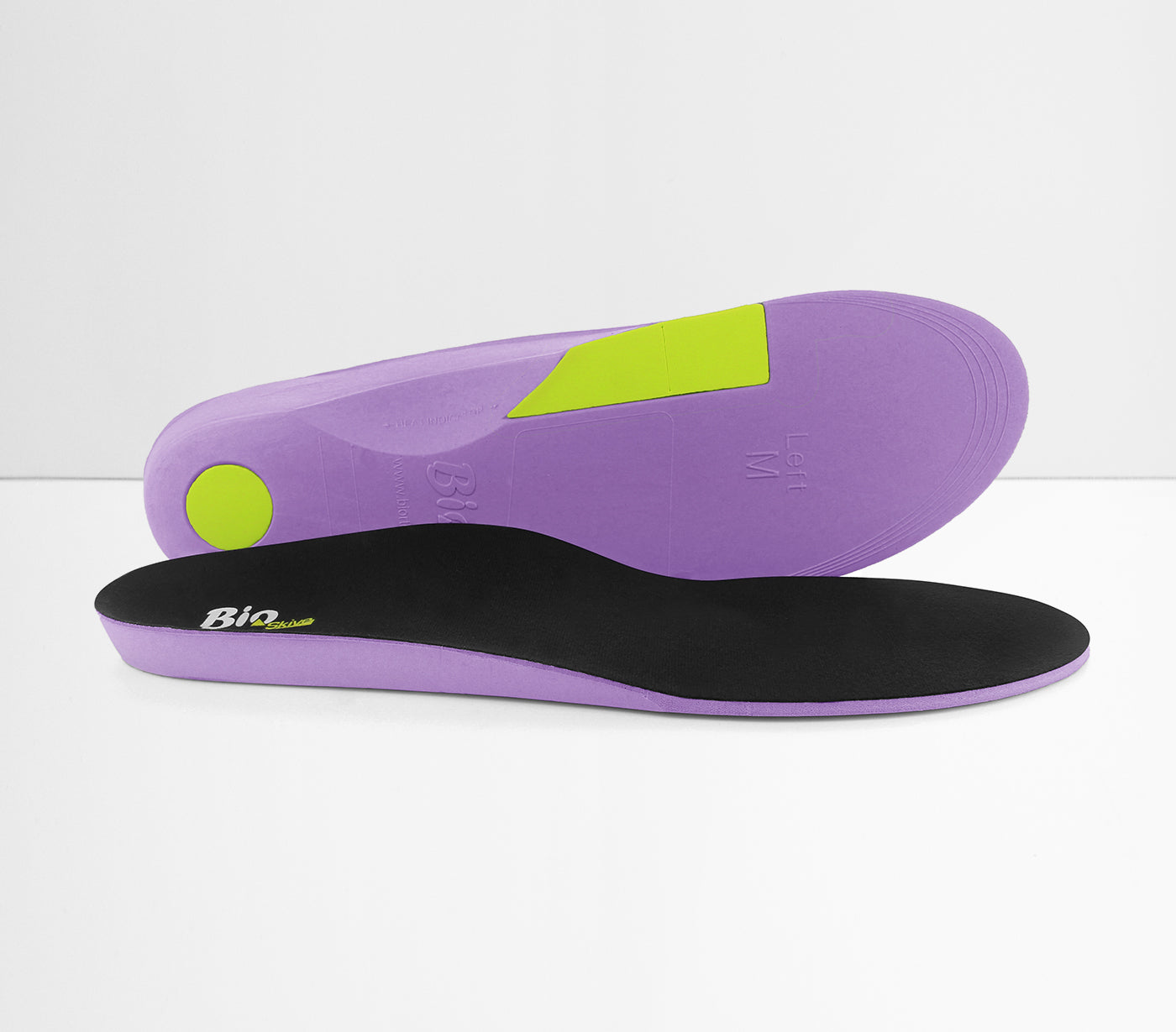
Bio Skive
Provides specialist medial heel control and strong arch support to reduce excessive pronation and offload the posterior tibial tendon in more advanced or resistant cases. Its medial heel skive and rearfoot posting increase supination force at the subtalar joint, improving alignment and reducing tendon strain during gait.
OPTIONAL SUPPORT LEVELS
🟣LOW DENSITY - 3/10
⚪MEDIUM DENSITY - 5/10