
Peroneal Tendinopathy
When choosing an insole for Peroneal Tendinopathy, the priority is to reduce strain on the peroneal tendons while improving foot stability and control during movement. The right insole should provide structured arch support to improve foot alignment, lateral stability to help control excessive supination or unstable foot motion, and cushioning to absorb impact and reduce repetitive stress on the outer side of the foot and ankle. By improving load distribution and supporting more balanced mechanics, a well-designed insole can help relieve discomfort, improve function, and support recovery by reducing stress on the peroneal tendons during walking and activity.
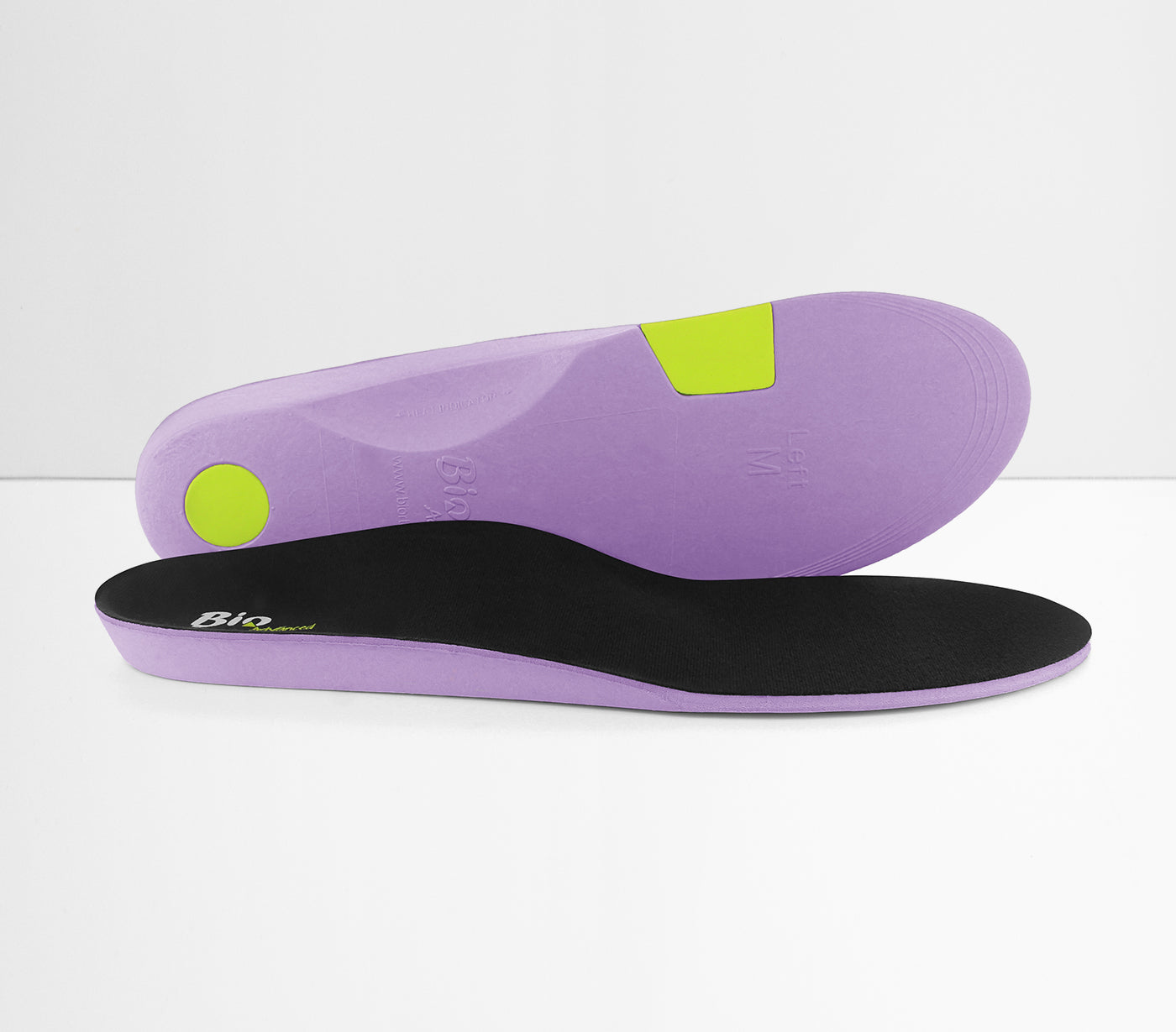
Bio Advanced
Provides structured arch support and rearfoot stability to improve overall foot control and reduce excessive lateral strain on the peroneal tendons during walking. Its supportive design helps improve load distribution and stabilise foot function, reducing tendon overload.
OPTIONAL SUPPORT LEVELS
🟣LOW DENSITY - 3/10
⚪MEDIUM DENSITY - 5/10
🟠HIGH DENSITY - 7/10
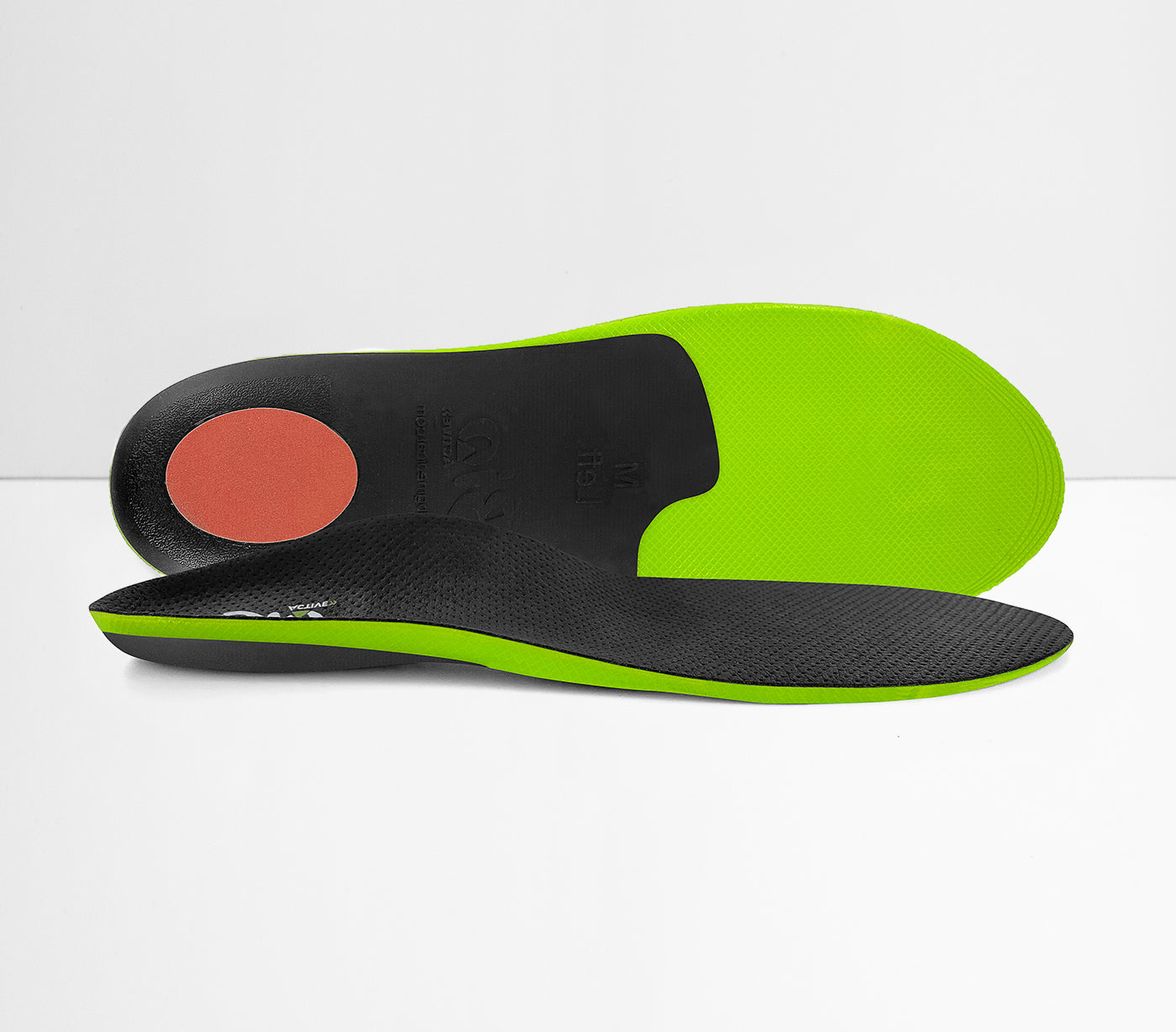
Bio Active
Provides low-profile support with controlled foot motion, helping to reduce excessive instability while allowing natural movement through gait. Its slim design and shock-absorbing heel zone help reduce peroneal tendon stress, making it ideal for active patients and tighter-fitting footwear.
SUPPORT LEVEL
🟢4 DEGREE POSTING - 5/10
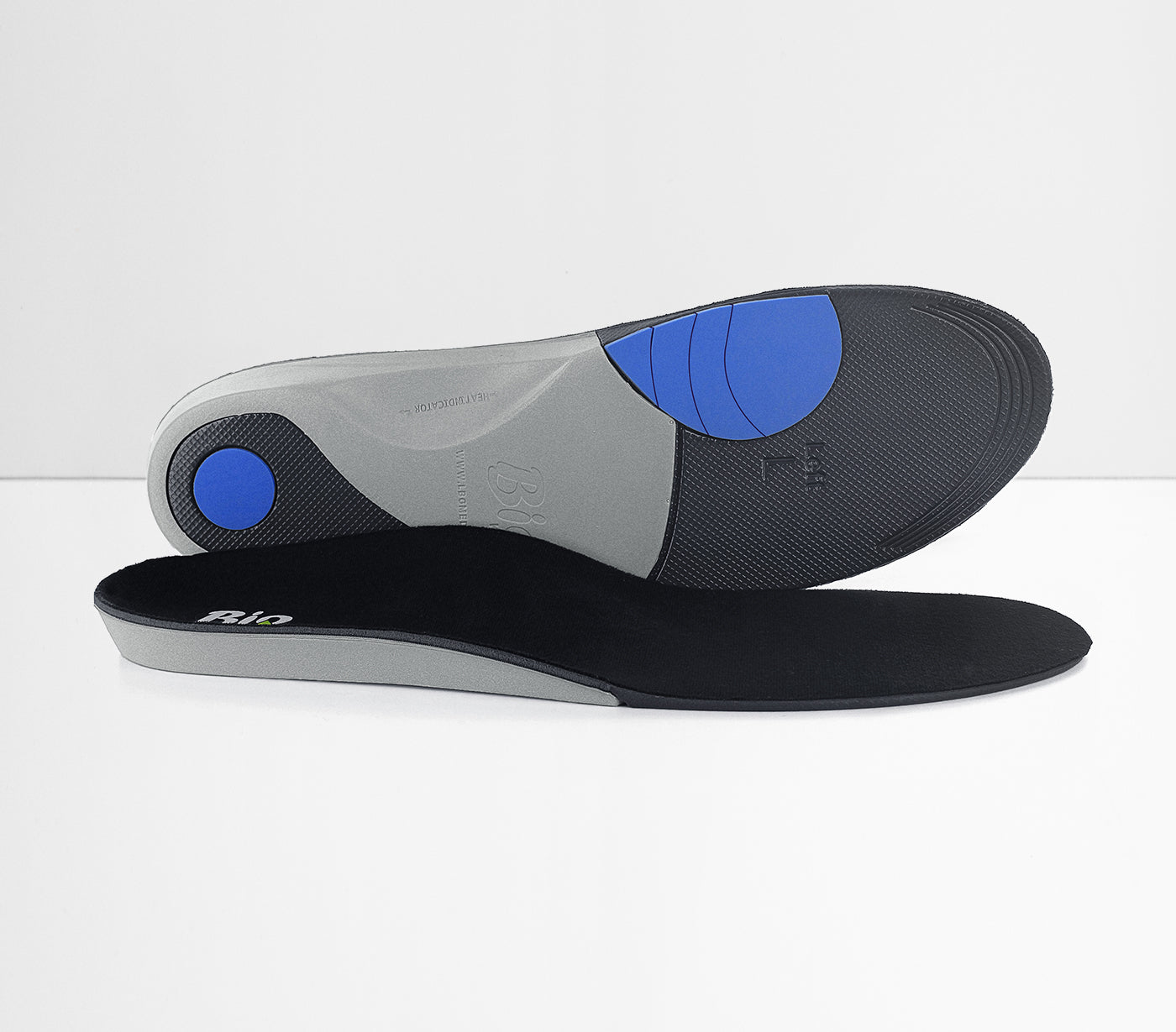
Bio Kinetic
Provides dynamic support and forefoot mobility to improve load absorption and reduce repetitive strain on the peroneal tendons during walking and activity. Its cushioned hybrid design helps manage impact forces while promoting smoother gait progression and more efficient foot function.
OPTIONAL SUPPORT LEVELS
⚪MEDIUM DENSITY - 4/10
🟠HIGH DENSITY - 6/10